



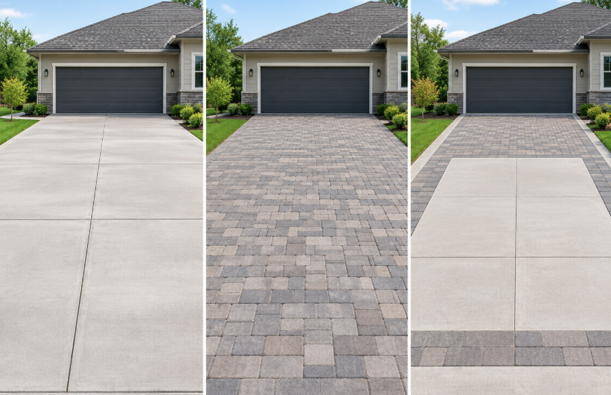
Summary: Choosing between concrete, interlocking pavers, or a combination of both depends on your home’s style, drainage needs, vehicle use, and maintenance preferences. Concrete offers a smooth, solid surface, while interlock provides design flexibility and easier section repairs. Cedar Hills Contracting helps North York homeowners plan suitable driveway solutions with proper base preparation, drainage, and professional installation.
Choosing a driveway material affects your home’s appearance, daily use, and upkeep for years to come. Concrete offers a smooth, solid surface, while interlocking pavers bring pattern and design options. A combination can provide both benefits when planned well. If you are comparing Concrete and Interlock North York services, start by considering your home’s style, drainage needs, vehicle use, and the time you can give to maintenance.
Start With How You Use Your Driveway
A driveway needs to do more than look good. It should support your vehicles, provide safe access to your home, and direct rainwater away from areas where water could collect.
Think about how many vehicles use the space each day. A driveway that handles family cars may have different needs from one used by heavier vehicles. Also consider the shape of your property, the slope of the ground, and the space available for parking.
Your preferred look matters, too. Some homeowners like the clean, simple finish of concrete. Others prefer the texture and patterns of interlocking pavers. Once you understand your needs, it becomes easier to choose a surface that suits your routine and complements your home.
Concrete Driveways Offer a Clean, Solid Finish
Concrete is a popular choice for homeowners who want a neat and practical driveway. It creates a continuous surface without individual paver joints, making it suitable for parking areas and regular vehicle use.
A well-prepared concrete driveway can serve a home for years. Its smooth finish is also easy to sweep and clear of loose debris. Homeowners can explore different finishes, including decorative stamped concrete, to add more character.
However, concrete still needs proper installation and care. Poor ground preparation, drainage issues, weather conditions during installation, and natural ground movement can contribute to cracking. Control joints help manage where some cracks form, but cannot prevent every crack.
What Makes Interlocking Pavers a Flexible Choice?
Interlocking pavers offer more freedom when planning the look of your driveway. Individual units fit together to form a patterned surface, allowing you to create borders, contrasting colors, and designs that suit your home’s exterior.
Here are some useful features to consider:
- Design variety: Choose from different paver shapes, colors, and patterns.
- Targeted repairs: Individual damaged or settled pavers can often be lifted and replaced.
- Defined sections: Borders can help separate the driveway from garden beds, paths, or other outdoor features.
- Design flexibility: Pavers can work well around curves and shaped outdoor spaces.
Interlock also needs proper care. Joint sand may need replenishing, weeds can grow between pavers, and sections may settle if the base is poorly prepared. Regular cleaning and occasional re-leveling may be needed to keep the surface looking neat.
Consider How Ontario Weather Affects Your Choice
North York experiences changing seasons, including freezing winters, rain, and warm summer days. These conditions make drainage and ground preparation important for both concrete and interlocking pavers.
Water that collects beneath or around a driveway can contribute to surface problems. When trapped water freezes and thaws, it can place stress on the surrounding materials. A poorly prepared base may also settle over time.
Maintenance Matters After Installation
Your driveway will need some attention over time, whatever material you choose. The type of care differs, so consider which routine feels more manageable.
Concrete generally needs regular cleaning and periodic checks for cracks or surface wear. Depending on the finish and condition, suitable sealing may help protect the surface. Any cracks or drainage concerns should be assessed before a small problem becomes harder to manage.
Interlocking pavers need sweeping and occasional washing. Joint sand may need attention, and settled areas may require lifting and re-leveling. The ability to repair a small section can be useful when damage affects only a few pavers.
A Combination Can Bring Together Strength and Style
You do not have to choose only one material. A mixed design can use concrete for the main parking area and interlocking pavers along the edges, entrance, or walkway.
For example, a plain concrete driveway with a contrasting paver border can add detail without making the entire surface visually busy. Interlock around the front entrance can also connect the driveway with steps, paths, or garden features.
A combination requires careful planning. The two surfaces need a well-designed transition, stable support, and suitable drainage. Different materials can settle or respond to weather in different ways, so the base and edge details matter.
How to Compare Your Options Before Deciding
Before choosing a material, compare how each option fits your property and daily routine. Looking at samples and completed projects can also help you picture the result.
Ask yourself:
- Do I prefer a simple, continuous finish or a patterned surface?
- Will the driveway support the vehicles that use it regularly?
- How will water drain away from the house?
- Am I comfortable with the upkeep each material needs?
- Would a border or mixed layout improve the overall design?
- Does the proposed installation include proper base preparation and edge support?
These questions help you focus on practical needs as well as appearance. It is also useful to discuss how the driveway will connect with existing paths, steps, landscaping, and garage access.
Proper Installation Makes the Difference
Even the best material can perform poorly when the base is not prepared correctly. A reliable installation starts with checking the site, removing unsuitable material, preparing a stable base, and setting the correct levels.
For concrete, the work may include suitable forming, reinforcement where required, a planned joint layout, and careful finishing and curing. For interlock, the base and bedding layer must support the pavers, while the edges need restraint to help keep the surface in place.
Drainage should be considered throughout the process, not just at the end. The finished driveway should guide water toward a suitable drainage area instead of allowing it to pool beside the house. A clear installation plan helps you understand what the work involves and why each stage matters.
Choose a Contractor Who Understands the Whole Project
A driveway project often affects more than the parking surface. It may involve grading, walkway connections, landscape borders, repairs to existing paving, or the removal of damaged concrete.
Cedar Hills Contracting provides concrete and interlock services in North York, including installation, driveway repair, leveling, grading, cleaning, sealing, and interlock re-leveling. The team can help you consider suitable options for your property’s layout and intended use.
For homeowners planning several updates, it may also help to coordinate outdoor work with broader projects such as Kitchen Renovation North York services. Good planning can make it easier to organize separate improvements while keeping each project focused on its own needs.
Conclusion: Choose the Surface That Fits Your Home
Concrete is a practical choice for a clean, continuous driveway, while interlocking pavers offer more design options and easier repairs to individual sections. A combined design can bring visual detail to selected areas. The right choice depends on your property’s drainage, vehicle use, preferred style, and maintenance needs.
If you are exploring Concrete and Interlock North York options, Cedar Hills Contracting can help you plan a driveway that suits your home and everyday needs. Visit cedarhillscontracting.com, call 647-869-0673, or email derek@cedarhillscontracting.com to discuss your ideas and arrange a consultation. A well-planned driveway can make your entrance more practical, attractive, and welcoming.
Frequently Asked Questions
1. Is concrete or interlock better for a driveway?
Both can work well when properly installed, so the better choice depends on your design preferences, site conditions, and maintenance needs.
2. Can interlocking pavers be repaired individually?
Yes, damaged or settled sections can often be lifted, repaired, and reset without replacing the entire driveway.
3. Does a concrete driveway always crack?
Concrete can crack due to shrinkage, ground movement, or other stresses, although proper installation and control joints help manage cracking.
4. Can concrete and interlock be used together?
Yes, a combined design can use concrete for the main driveway and pavers for borders, entrances, or connecting paths.
5. Why is driveway base preparation important?
A stable, well-drained base helps support the surface and reduces the risk of uneven settling and other problems.


